Why strength training matters at every age
Strength training improves bone density, mobility, metabolic health and confidence. Whether you’re in your 20s learning technique or in your 50s prioritising joint health, a structured approach reduces injury risk and maximises results.
Start with an assessment
Before lifting heavy, assess movement quality and current conditioning. A basic screening can include a mobility check (ankles, hips, shoulders), a postural assessment, and simple movement tests like bodyweight squats and a hinge (hip pushback). Trainers at Ironpeak Fitness can help interpret results and adapt sessions.
Build a sensible beginner program
- Frequency: 2–3 strength sessions per week to start.
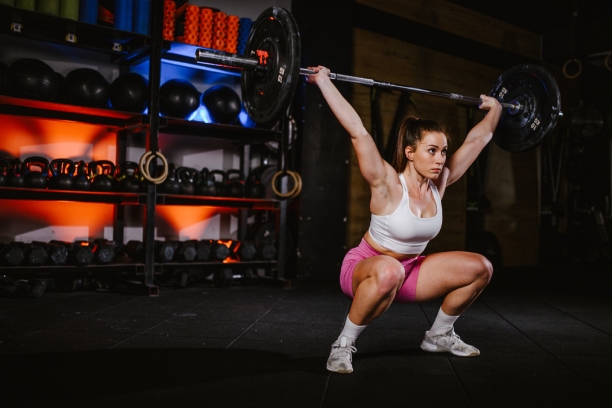
- Focus: compound movements — squat, hinge, push, pull and loaded carries.
- Volume: 2–4 sets of 6–12 reps for most exercises; lower reps with heavier loads as technique improves.
- Progression: add 2.5–5 kg or one extra rep when a set feels comfortable.
Prioritise technique over load
Proper form protects joints and ensures strength gains translate to daily life. Learn movement patterns unloaded, then add resistance gradually. Use mirrors, video, or coach feedback to correct posture, breathing and bracing. For older adults, emphasise controlled tempos and full range of motion.
Recovery, mobility and nutrition
- Recovery: aim for 48 hours between heavy sessions for the same muscle groups.
- Mobility: short daily routines for hips, thoracic spine and ankles support better squats and deadlifts.
- Nutrition: prioritise protein (20–30 g per meal) and consistent meals to support muscle repair.
When to seek professional guidance
If you have chronic health conditions, recent surgery or persistent pain, consult a coach or healthcare professional. Personalized programming, as offered by Ironpeak Fitness personal trainers, helps manage limitations while progressing safely.